
by Shaun Chamberlin | May 19, 2014 | All Posts, Cultural stories, Economics, Philosophy, Transition Movement
This post was originally written by me as a guest post for Rob Hopkins’ Transition Culture blog, but I have kindly given myself permission to reproduce it here ?
A response to a recent post by Rob Hopkins ‘The impact of Transition. In numbers.’.
Transition is a wonderful melange of conversations, projects, interactions, inspirations, hard work, failures, successes and entirely unexpected events which we are altogether unsure what to make of! Transition initiatives themselves are as unique as the people who make them up. Initially termed ‘Transition Towns’, they have twisted and squirmed out from under that label like squealing children from under a favourite uncle, becoming Transition Islands, Sustainable Villages, Cities in Transition and all the rest.

by Shaun Chamberlin | Jun 15, 2010 | All Posts, Economics, Favourite posts, Peak Oil, Transition Movement
This post was originally written by me as a guest post for Rob Hopkins’ Transition Culture blog, but I have kindly given myself permission to reproduce it here 😉 So here I am. I fully intended to be giving the England match my full attention right now, but...
by Shaun Chamberlin | Dec 1, 2009 | All Posts, Climate Change, Cultural stories, Favourite posts
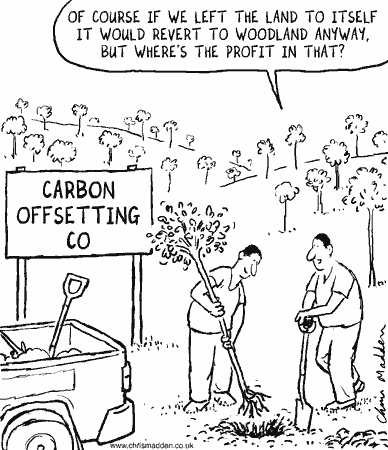
Off the back of taking part in CheatNeutral’s spoof chat show ‘Going Neutral’ at the Science Museum, this feels like the perfect time to take a look at the concept of carbon offsetting, the most recognised example of which is the planting of trees to...
by Shaun Chamberlin | Jul 17, 2008 | All Posts, Cultural stories, Peak Oil
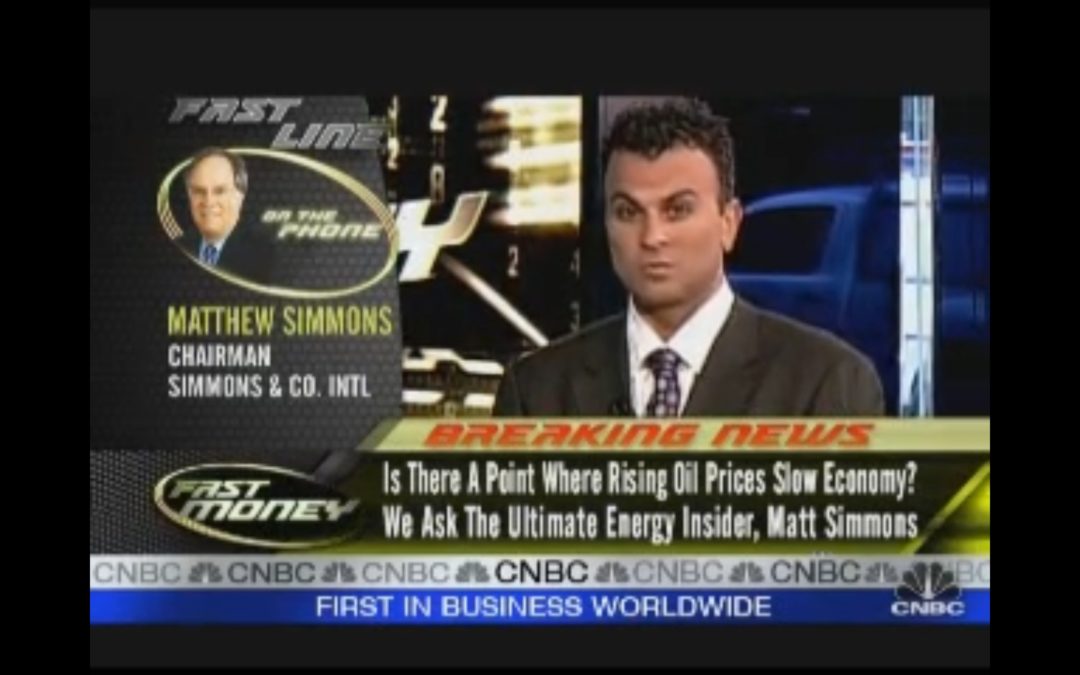
Thanks to the Oil Drum’s Peak Oil Media Watch I recently came across this fascinating video clip from the “Fast Money” programme on American business news channel CNBC. In the extract the studio panel are discussing the rise in oil prices and –...

by Shaun Chamberlin | Jun 8, 2008 | All Posts, Climate Change, Cultural stories, Favourite posts, Peak Oil, Politics, TEQs (Tradable Energy Quotas)
In the climate policy community there is a growing debate between advocates of ‘upstream’ and ‘downstream’ carbon caps (dams?). The terms draw an analogy between the flow of water in a stream and the flow of energy through an economy. ‘Upstream’ advocates want to regulate the few dozen fuel and energy companies that bring carbon into the economy, arguing that this is cheaper and simpler than addressing the behaviour of tens of millions of ‘downstream’ consumers.
At first glance this seems a convincing argument, but there is one important regard in which an upstream scheme fails — it does not engage the general populace in the changes required.

Recent Comments